U.S. Environmental Protection Agency. 2025. “Volatile Organic Compounds’ Impact on Indoor Air Quality.” Last modified July 24, 2025. Accessed January 25, 2026. https://www.epa.gov/indoor-air-quality-iaq/volatile-organic-compounds-impact-indoor-air-quality.
Winter Interior Painting in Carmel: A Smooth-Finish Checklist
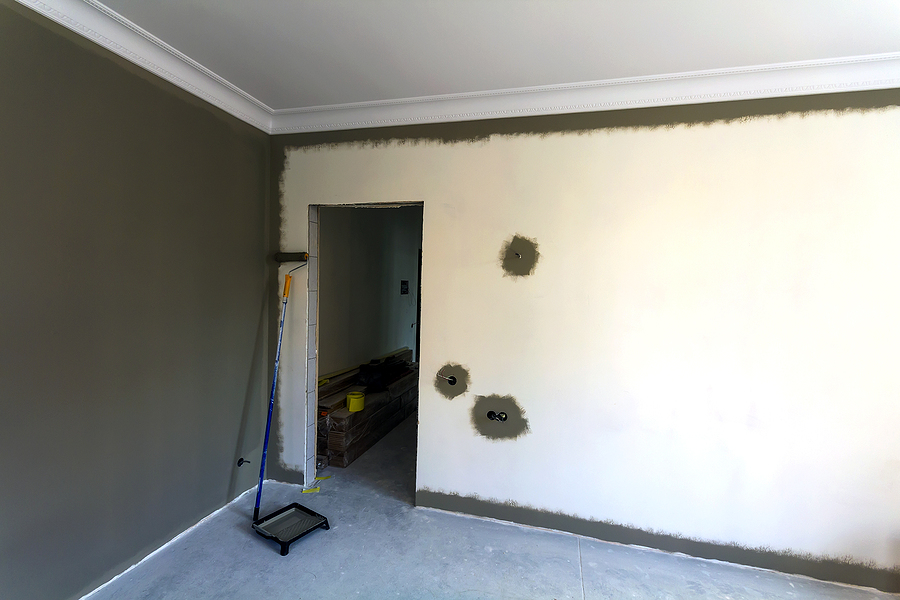
January in Central Indiana is tailor-made for indoor projects—and Sean Hadden Painting loves it for one big reason: interior paint can cure beautifully when your home’s environment stays steady. If you want rooms that feel brighter, cleaner, and more polished without waiting for spring, a winter paint refresh is one of the fastest upgrades you can make.
Stable Air, Better Finish
Paint likes consistency. Aim for a steady, comfortable indoor temperature day and night, and avoid big swings that happen when the heat drops way down overnight. If a room feels damp or clammy, or if there’s visible condensation, pause—moisture can slow drying and lead to uneven sheen.
Pick the Rooms That Pay Off Fast
If you want the best result for the least disruption, start with:
- Hallways and stairways (high traffic, scuffs show fast)
- Living rooms and main spaces (the most visual impact)
- Bedrooms (easy to clear out and paint efficiently)
If you’re considering bolder colors, winter is also a good time to do it—less harsh outdoor light can make color shifts easier to control while you test samples.
Vent Smart, Not Cold
Yes, you can ventilate in January. You just need to do it strategically:
- Crack a window slightly for short intervals
- Run a fan to keep air moving out of the room
- Keep pets and kids out of the space while it airs out
Ventilation helps reduce lingering odor and supports healthier indoor air—especially helpful in tighter homes where air doesn’t naturally circulate as much.
Prep Is What Makes It Look Professional
The secret to a paint job that looks crisp isn’t the color—it’s the prep.
- Fix the wall before you color it. Nail pops, dents, and seams become more noticeable after paint, especially with winter sunlight hitting at an angle.
- Clean the “invisible grime.” Kitchens, handprints near switches, and hallway scuffs can interfere with adhesion. A quick wipe-down keeps paint from fisheyeing or peeling later.
- Protect what matters. Cover floors, tape edges cleanly, and remove plates/hardware so the finished lines look sharp instead of rushed.
Prime for an Even, Seamless Look
Primer is your best friend when you have:
- Drywall patches (fresh compound absorbs paint differently)
- Stains (water marks, smoke, or tannins)
- Repaired trim (especially if it was sanded or wood-filled)
Priming those areas prevents blotchiness and helps your finish coat look consistent—same sheen, same depth, no weird “spotlight” effect.
Make Winter Your Fresh Start
If you’re ready for a winter refresh—and you want smooth walls, crisp lines, and help with prep and repairs—contact Sean Hadden Painting at (317) 538-1530. We’ll help you choose the right rooms, plan the timeline, and provide professional interior painting that makes your home feel brand-new before spring even shows up.